Bob Anderson 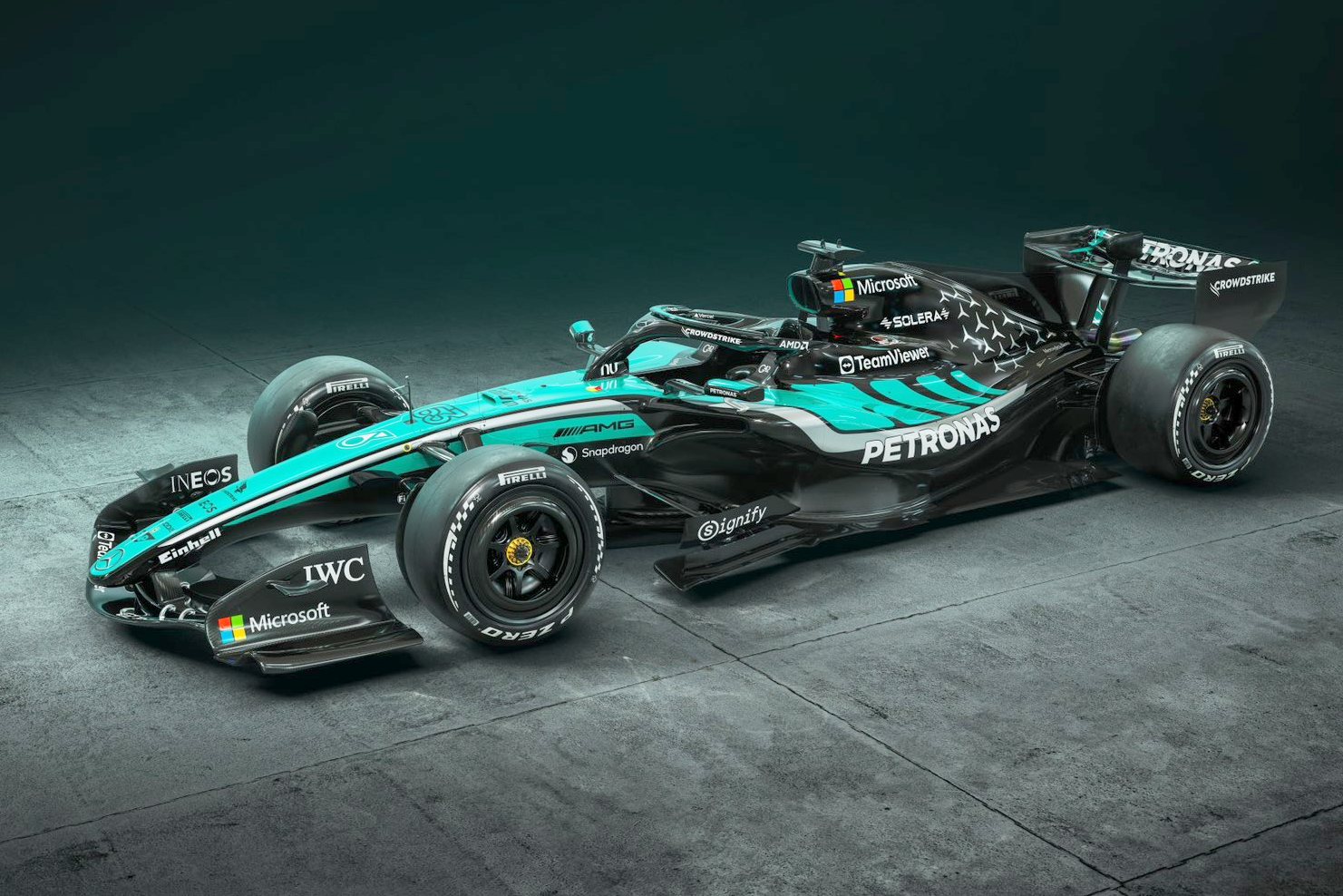 via F1iToto Wolff perplexed by Mercedes' Sepang upgrade strugglesMercedes team principal Toto Wolff expressed confusion over the team's performance following their latest upgrades at the Malaysian Grand Prix. Despite expectations of a three-tenths improvement, Wolff noted that the W17 car instead lost five-tenths due to increased drag and poor handling in low-speed corners.
 F1i+ 9 moreWed 30 Sep · 10:43 UTC
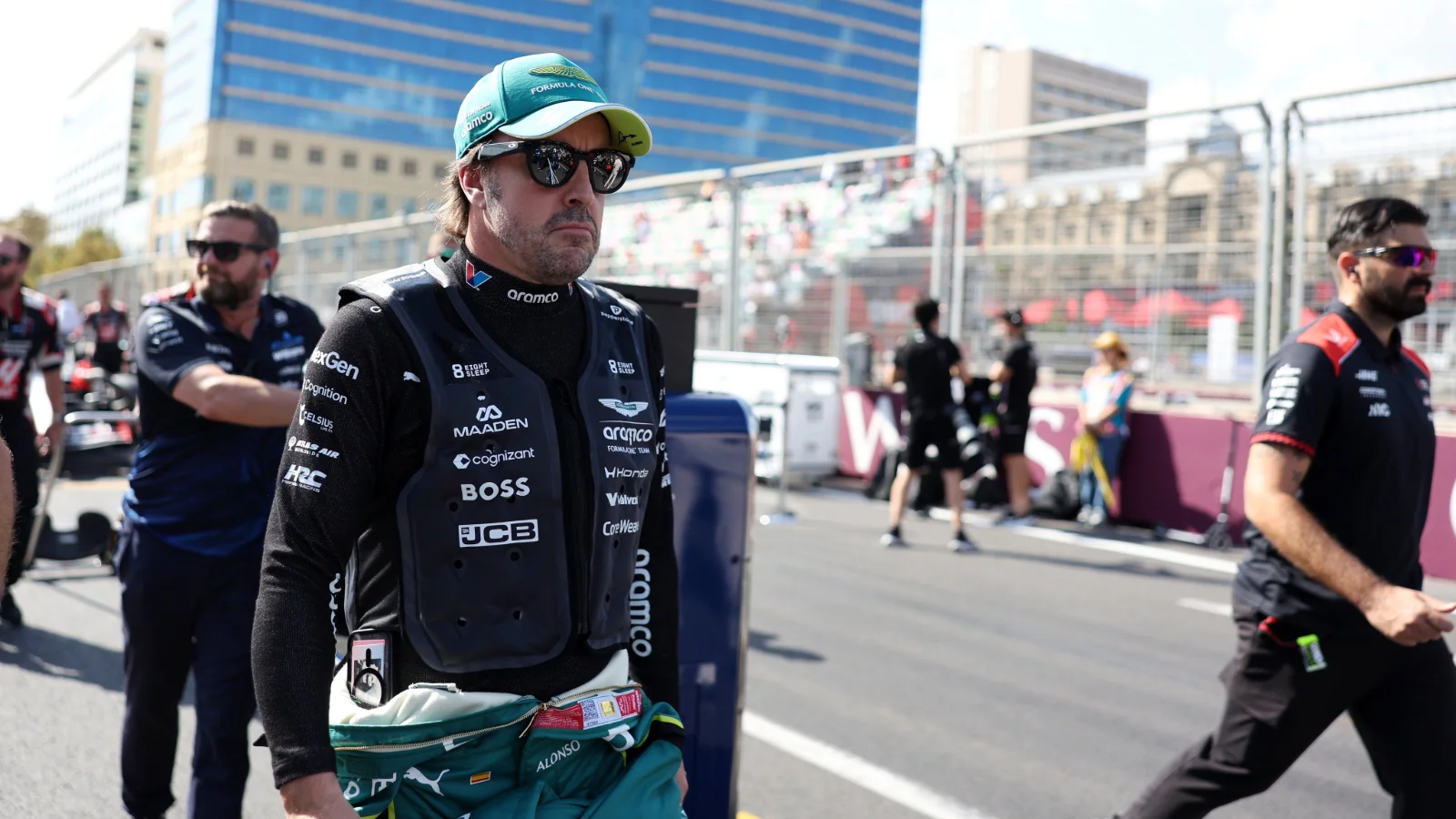 via Motorsport WeekFernando Alonso extends Aston Martin contract to 2027Fernando Alonso has confirmed he will remain with Aston Martin for the 2027 Formula 1 season, extending his illustrious career. The decision comes alongside a reported career-high salary, surpassing his previous earnings at McLaren.
 Motorsport Week+ 15 moreTue 29 Sep · 11:01 UTC
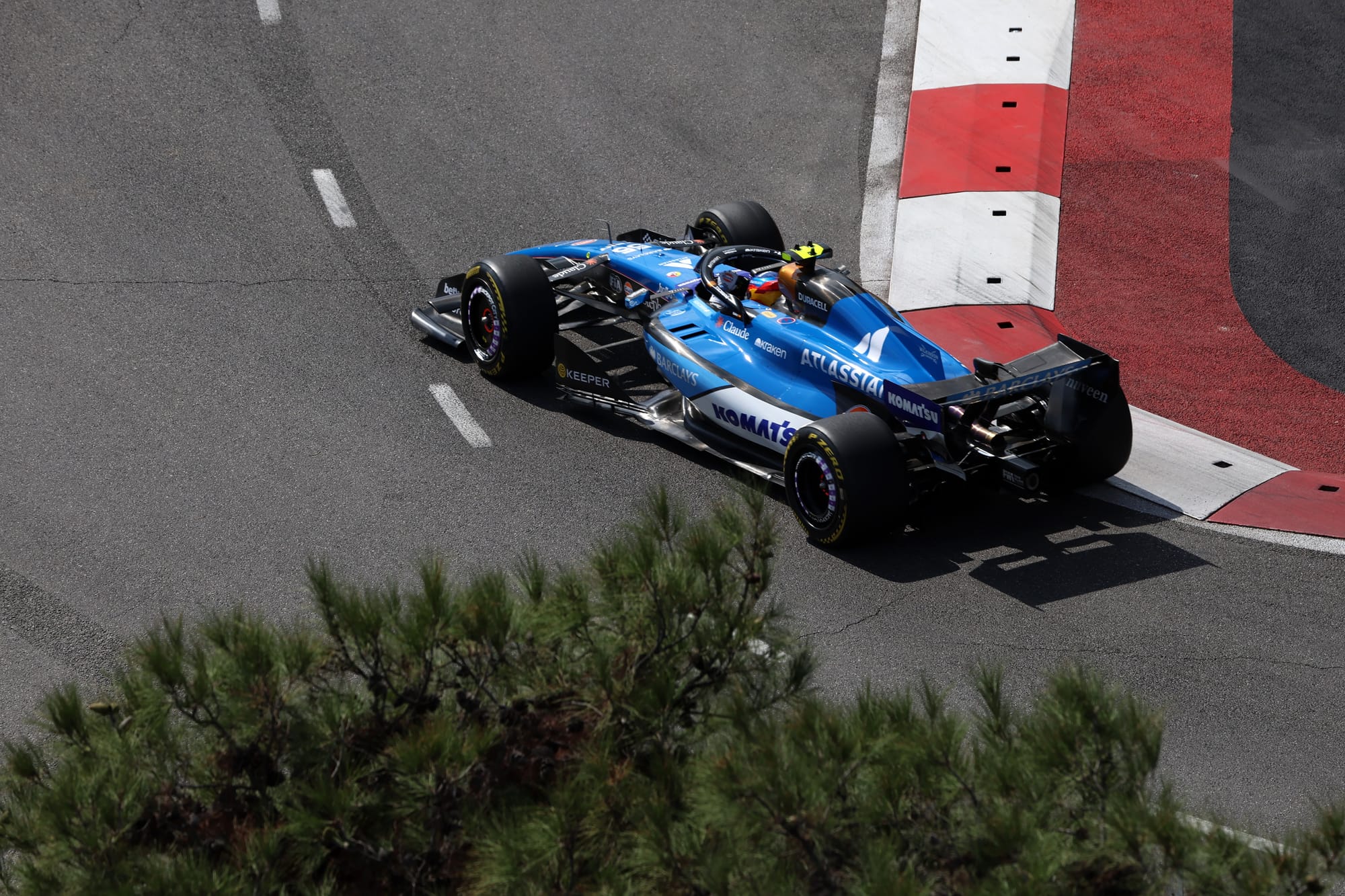 via the-race.comGary Anderson: The true worth of Williams's weight-saving upgradeWilliams Racing's recent upgrade for the Azerbaijan Grand Prix led to a notable improvement in performance, with Carlos Sainz qualifying ninth despite a grid penalty. This upgrade marked the end of a points drought for the team, which had lasted nearly three months, and was attributed to a significant weight reduction of 20 kilograms. The team's performance in Baku showed a 0.759% increase in lap time compared to their season average, indicating progress.
Despite the positive results, questions remain about the true impact of the upgrade, as Williams had previously struggled with weight issues at the start of the season. The race itself was challenging, with Alex Albon crashing out and Sainz needing to recover from a low starting position. The team’s sixth-fastest overall ranking in Baku is an improvement, but further assessment across different circuits will be necessary to determine if they can consistently compete for points.
via the-race.comGary Anderson: The true worth of Williams's weight-saving upgradeWilliams Racing's recent upgrade for the Azerbaijan Grand Prix led to a notable improvement in performance, with Carlos Sainz qualifying ninth despite a grid penalty. This upgrade marked the end of a points drought for the team, which had lasted nearly three months, and was attributed to a significant weight reduction of 20 kilograms. The team's performance in Baku showed a 0.759% increase in lap time compared to their season average, indicating progress.
Despite the positive results, questions remain about the true impact of the upgrade, as Williams had previously struggled with weight issues at the start of the season. The race itself was challenging, with Alex Albon crashing out and Sainz needing to recover from a low starting position. The team’s sixth-fastest overall ranking in Baku is an improvement, but further assessment across different circuits will be necessary to determine if they can consistently compete for points. the-race.comTue 29 Sep · 06:22 UTC
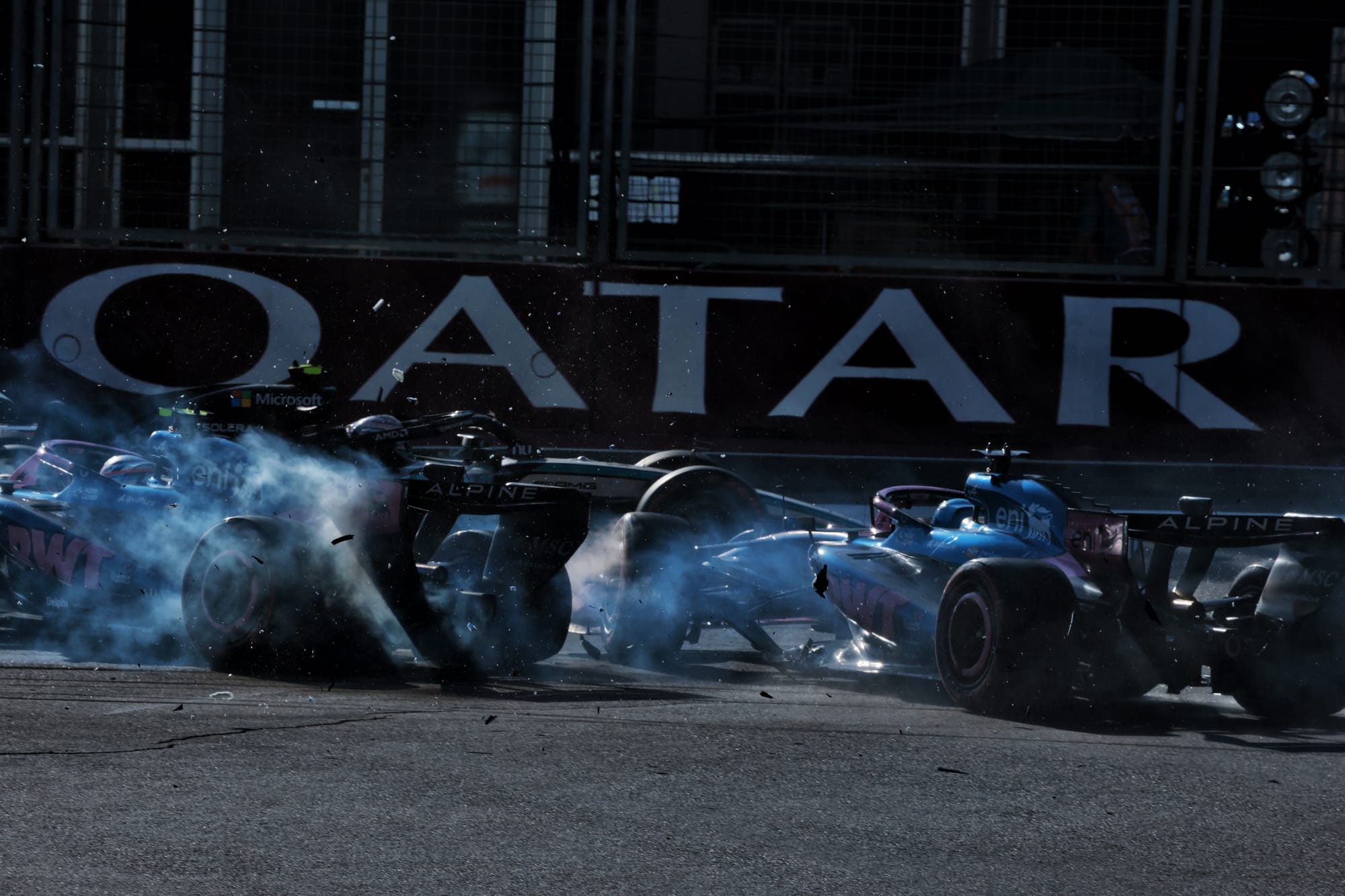 via the-race.comGary Anderson: Alpine should handle Colapinto action, not the FIAGary Anderson argues that Alpine should take responsibility for Franco Colapinto's actions following his crash involving team-mate Pierre Gasly and Lando Norris at the Azerbaijan Grand Prix. Flavio Briatore, Alpine's team boss, has stated he will consider what course of action to take regarding Colapinto, who already faces a five-place grid penalty for the incident.
Anderson reflects on the importance of teams maintaining discipline among drivers and suggests that the responsibility for reprimands should lie with the team rather than the FIA. He also critiques Norris's demand for a race ban for Colapinto, noting that such incidents are common in racing and should be addressed internally by the team.the-race.comSun 27 Sep · 09:32 UTC
via the-race.comGary Anderson: Alpine should handle Colapinto action, not the FIAGary Anderson argues that Alpine should take responsibility for Franco Colapinto's actions following his crash involving team-mate Pierre Gasly and Lando Norris at the Azerbaijan Grand Prix. Flavio Briatore, Alpine's team boss, has stated he will consider what course of action to take regarding Colapinto, who already faces a five-place grid penalty for the incident.
Anderson reflects on the importance of teams maintaining discipline among drivers and suggests that the responsibility for reprimands should lie with the team rather than the FIA. He also critiques Norris's demand for a race ban for Colapinto, noting that such incidents are common in racing and should be addressed internally by the team.the-race.comSun 27 Sep · 09:32 UTC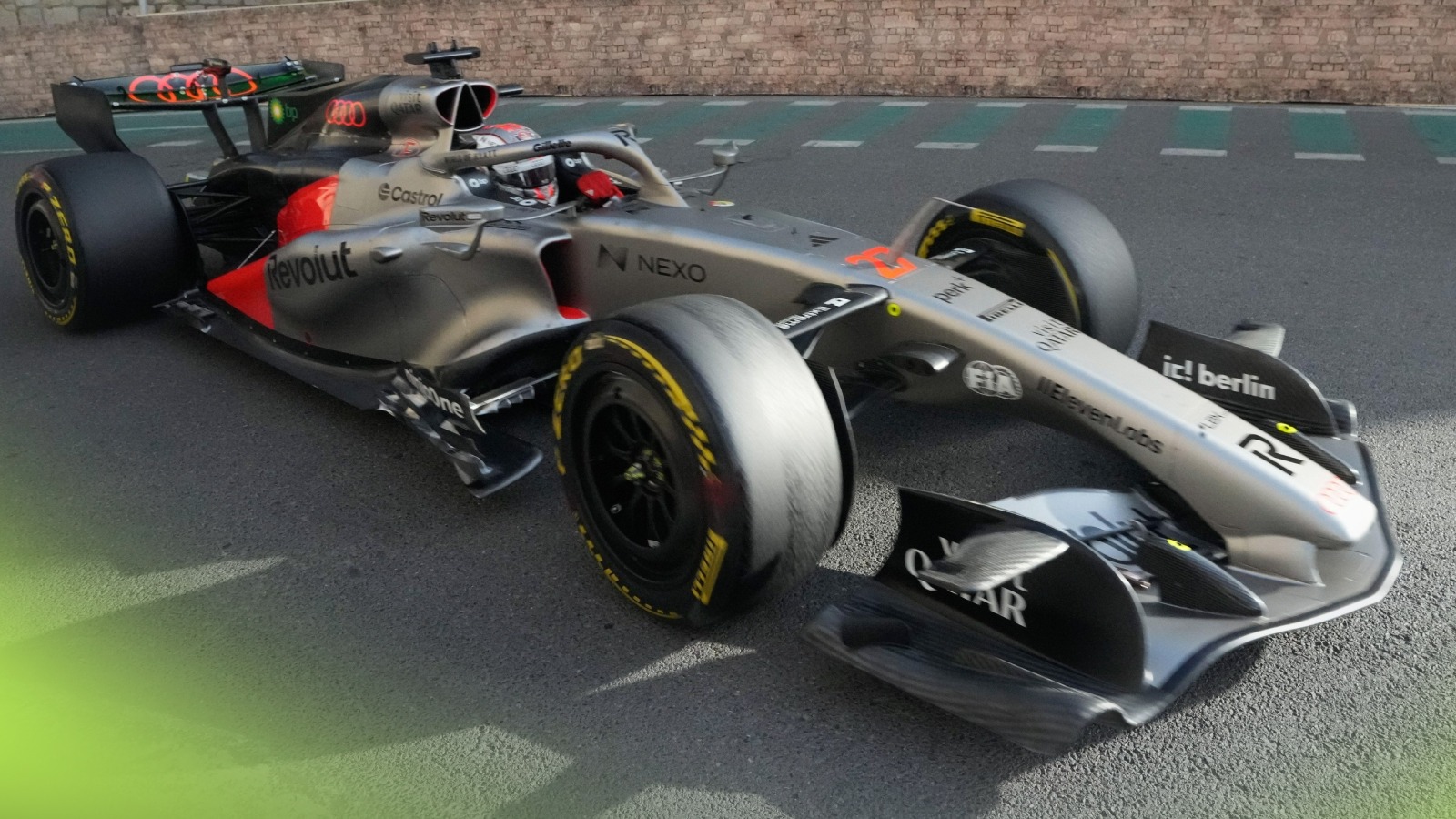 via PlanetF1Audi introduces extensive upgrade for Azerbaijan Grand PrixAudi has unveiled a significant upgrade package for their Formula 1 car ahead of the Azerbaijan Grand Prix. The update includes numerous new components, marking one of the most comprehensive car updates seen this season.
 PlanetF1+ 1 moreThu 24 Sep · 15:18 UTC
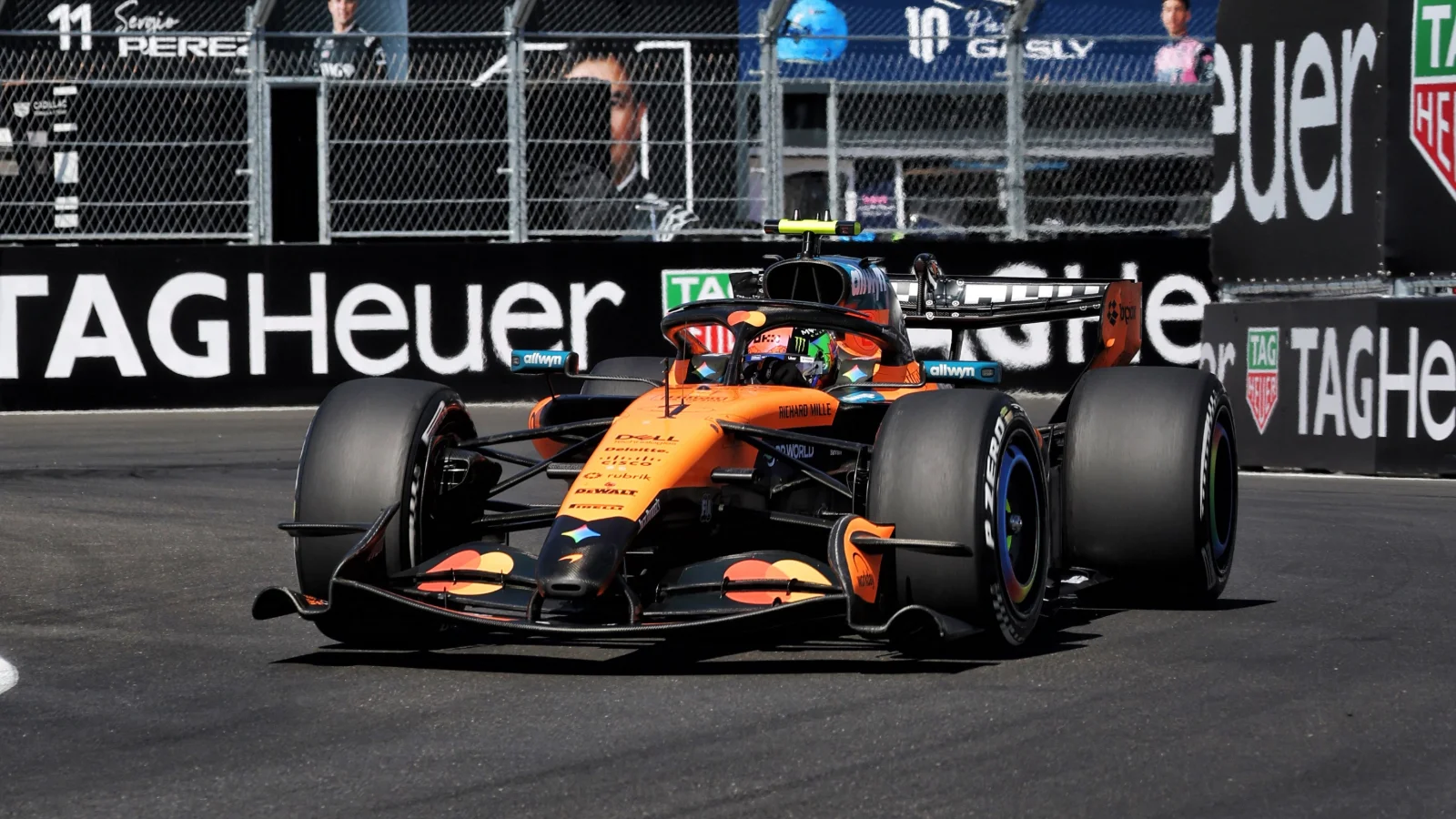 via Motorsport WeekMcLaren reintroduces upgrade for Azerbaijan Grand PrixMcLaren will bring back its 'Macarena' wing for the Formula 1 Azerbaijan Grand Prix after a one-race absence. This upgrade is part of the team's ongoing efforts to enhance performance.Motorsport Week+ 1 moreTue 22 Sep · 16:31 UTC
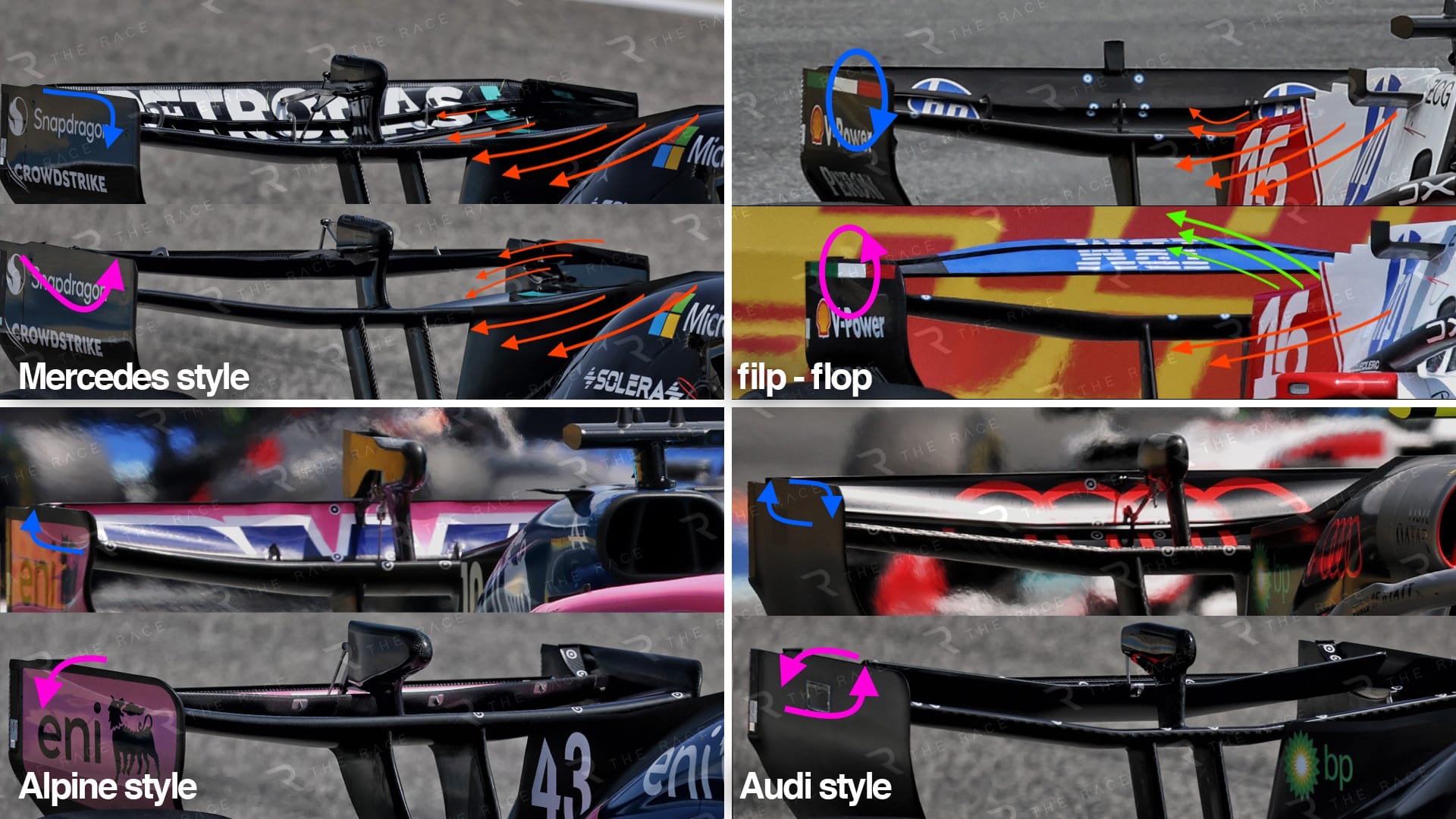 via the-race.comHow each active F1 rear wing concept works - Gary Anderson explainsThe article explains the workings of active rear wing concepts in Formula 1, particularly under the new regulations introduced for the 2026 season. It highlights the importance of transitioning between cornering and straight-line modes, which must occur within 0.4 seconds, and discusses the mechanisms drivers use to activate these modes.
Gary Anderson details four main concepts developed by teams, including those from Mercedes, Ferrari, Red Bull, McLaren, Alpine, and Audi. Each concept has unique operational functions and aims to balance downforce and drag for optimal performance. The article concludes by noting that Mercedes' design has shown the best results so far, while teams continue to innovate for the upcoming season.the-race.comTue 22 Sep · 12:59 UTC
via the-race.comHow each active F1 rear wing concept works - Gary Anderson explainsThe article explains the workings of active rear wing concepts in Formula 1, particularly under the new regulations introduced for the 2026 season. It highlights the importance of transitioning between cornering and straight-line modes, which must occur within 0.4 seconds, and discusses the mechanisms drivers use to activate these modes.
Gary Anderson details four main concepts developed by teams, including those from Mercedes, Ferrari, Red Bull, McLaren, Alpine, and Audi. Each concept has unique operational functions and aims to balance downforce and drag for optimal performance. The article concludes by noting that Mercedes' design has shown the best results so far, while teams continue to innovate for the upcoming season.the-race.comTue 22 Sep · 12:59 UTC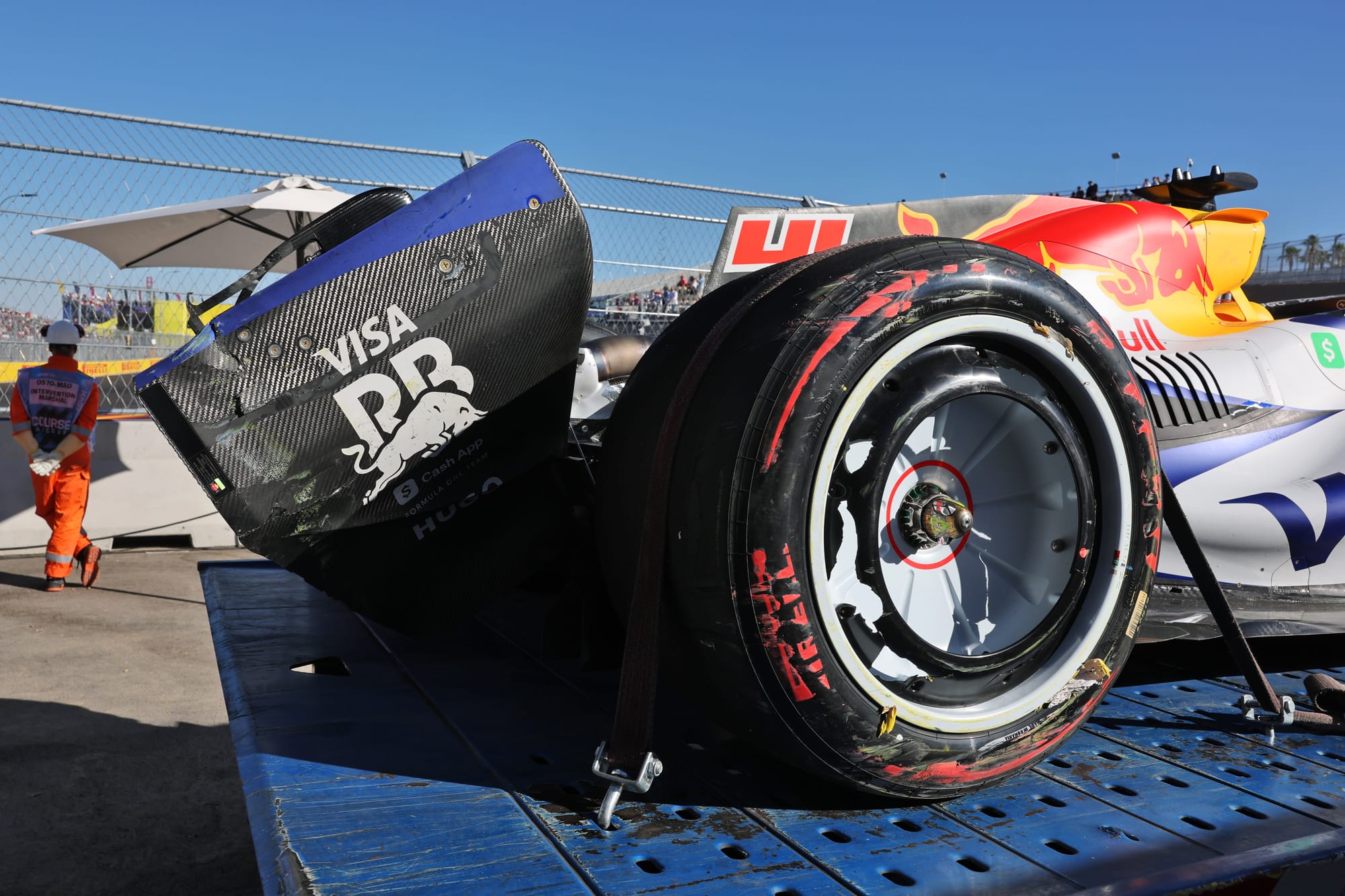 via the-race.comGary Anderson: Four incident rule changes F1 should makeGary Anderson has proposed four significant rule changes aimed at improving fairness in Formula 1 racing, particularly in light of recent incidents at the Madring circuit. He argues that the current use of the Virtual Safety Car (VSC) often leads to unfair advantages, as seen when Lando Norris lost a potential victory due to the timing of a VSC. Anderson suggests that all drivers should be required to cross the start-finish line during a VSC to ensure equitable pit stop opportunities, thereby reducing the impact of luck on race outcomes.
Additionally, Anderson criticizes the current handling of red flags during qualifying, proposing that drivers on fast laps should be allowed to complete their laps even when a red flag is thrown. He also recommends that drivers who cause red flags should lose their fastest qualifying lap, and that tyre changes during red flag situations should be restricted to maintain competitive balance. These changes, he believes, would help mitigate the influence of external factors on race results.the-race.comSat 19 Sep · 08:54 UTC
via the-race.comGary Anderson: Four incident rule changes F1 should makeGary Anderson has proposed four significant rule changes aimed at improving fairness in Formula 1 racing, particularly in light of recent incidents at the Madring circuit. He argues that the current use of the Virtual Safety Car (VSC) often leads to unfair advantages, as seen when Lando Norris lost a potential victory due to the timing of a VSC. Anderson suggests that all drivers should be required to cross the start-finish line during a VSC to ensure equitable pit stop opportunities, thereby reducing the impact of luck on race outcomes.
Additionally, Anderson criticizes the current handling of red flags during qualifying, proposing that drivers on fast laps should be allowed to complete their laps even when a red flag is thrown. He also recommends that drivers who cause red flags should lose their fastest qualifying lap, and that tyre changes during red flag situations should be restricted to maintain competitive balance. These changes, he believes, would help mitigate the influence of external factors on race results.the-race.comSat 19 Sep · 08:54 UTC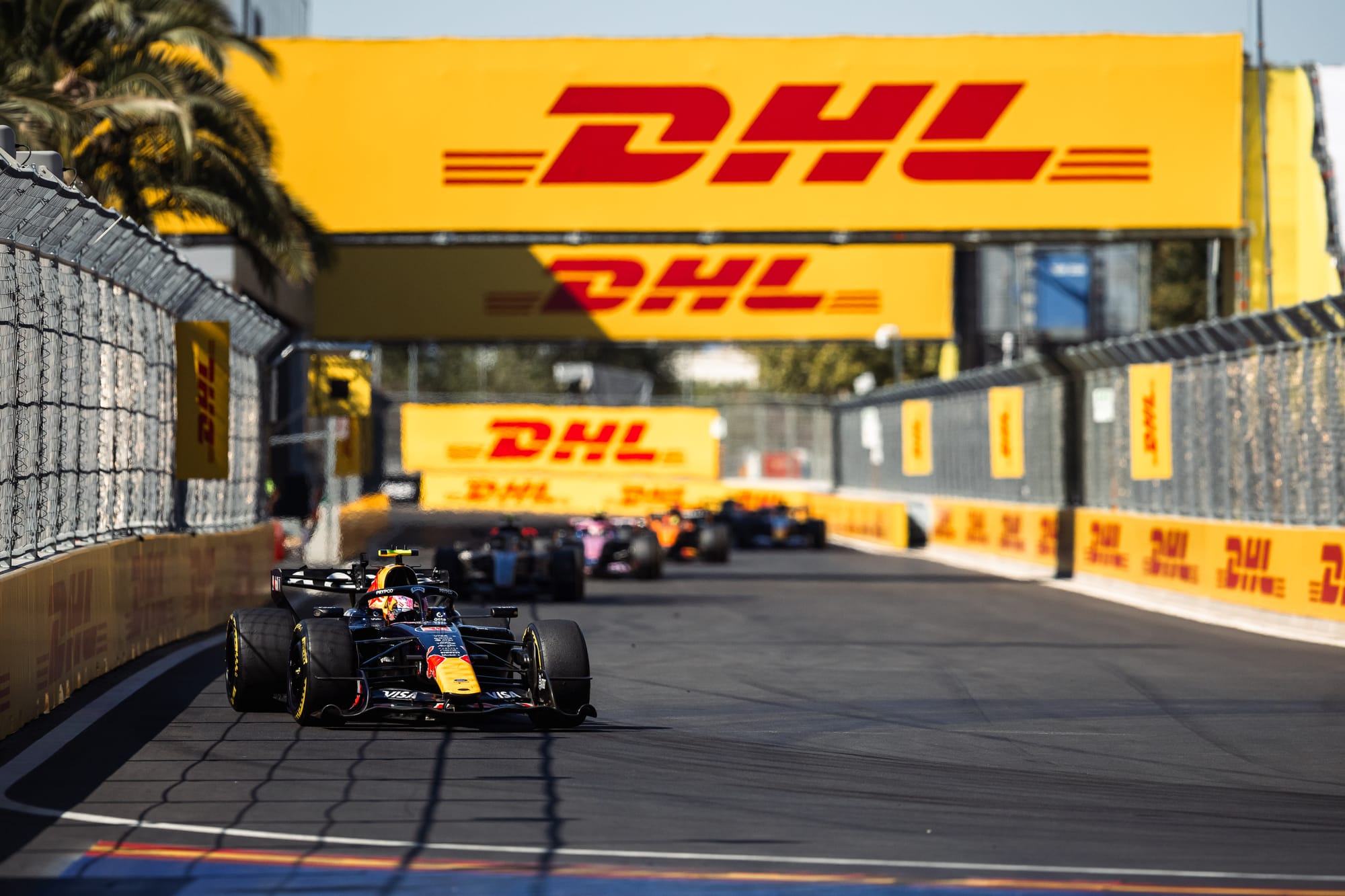 via the-race.comGary Anderson: F1's overtaking problem is bigger than one circuitGary Anderson highlights a significant issue with overtaking in Formula 1, stating that the problem extends beyond just one circuit. He argues that the reliance on battery management strategies has overshadowed driver skill, leading to a lack of genuine competitive overtaking. Anderson also points out that the current car designs are overly reliant on downforce, which hampers overtaking opportunities due to understeer and overheating tyres.
Additionally, he critiques Pirelli's tyre management strategies, noting that increased tyre pressures have reduced grip and contributed to a lack of exciting racing. Anderson suggests changes to the Madring circuit layout to enhance overtaking potential and recommends allowing teams more freedom in setting their tyre camber and pressures to encourage more competitive racing strategies.the-race.comThu 17 Sep · 12:21 UTC
via the-race.comGary Anderson: F1's overtaking problem is bigger than one circuitGary Anderson highlights a significant issue with overtaking in Formula 1, stating that the problem extends beyond just one circuit. He argues that the reliance on battery management strategies has overshadowed driver skill, leading to a lack of genuine competitive overtaking. Anderson also points out that the current car designs are overly reliant on downforce, which hampers overtaking opportunities due to understeer and overheating tyres.
Additionally, he critiques Pirelli's tyre management strategies, noting that increased tyre pressures have reduced grip and contributed to a lack of exciting racing. Anderson suggests changes to the Madring circuit layout to enhance overtaking potential and recommends allowing teams more freedom in setting their tyre camber and pressures to encourage more competitive racing strategies.the-race.comThu 17 Sep · 12:21 UTC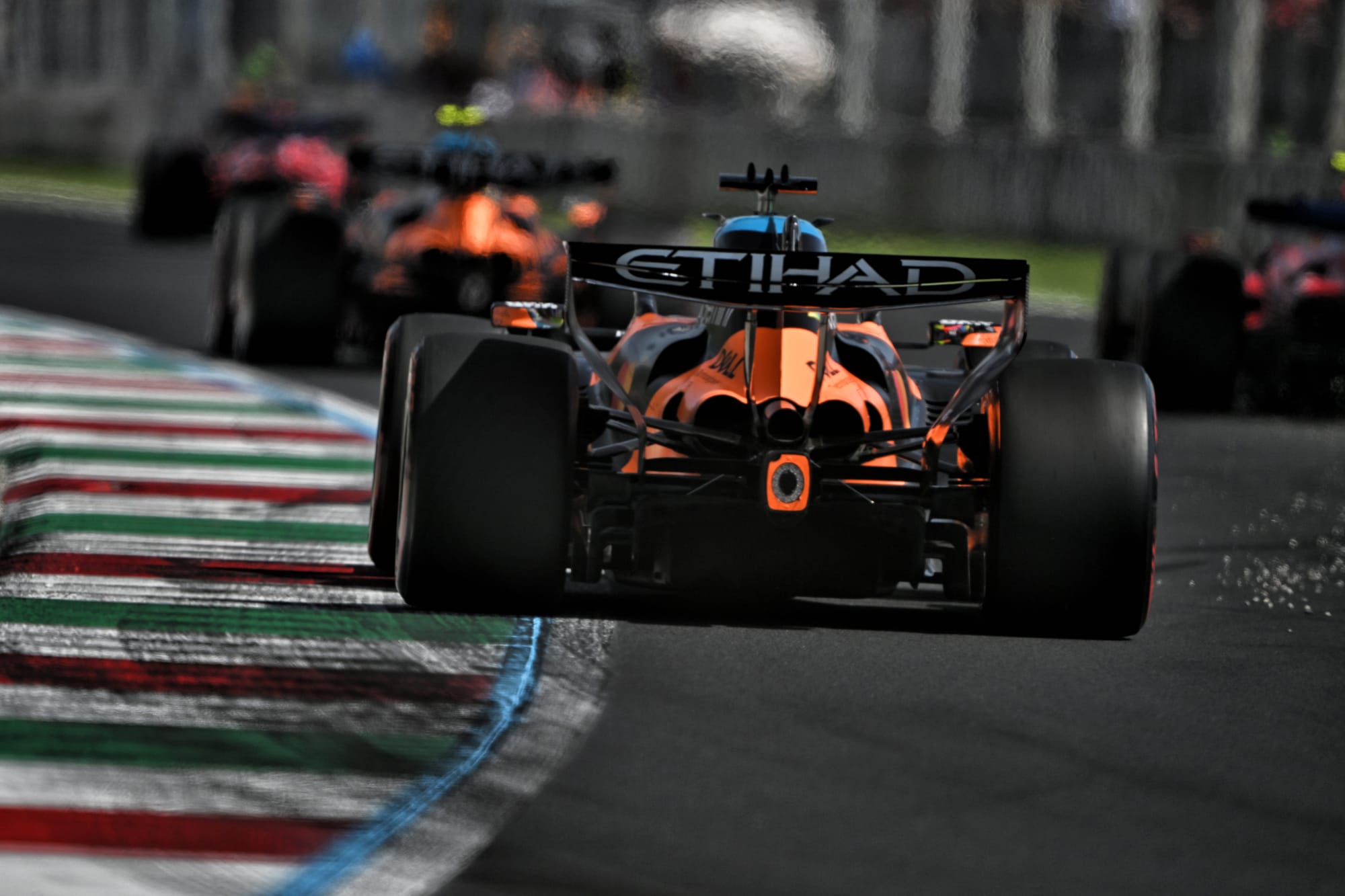 via the-race.comGary Anderson on F1 2026's low-drag 'Monza special' aero tweaksThe article discusses the aerodynamic adjustments teams are making for the 2026 Italian Grand Prix at Monza, focusing on low-drag setups that still maintain downforce. Key teams like McLaren, Ferrari, Mercedes, Red Bull, and Williams are implementing various modifications to enhance performance, particularly in braking stability and speed management through the circuit's unique layout of straights and chicanes.
Ferrari's engine upgrades and aerodynamic changes are highlighted, alongside McLaren's innovative rear wing design. The article emphasizes the importance of these tweaks in achieving optimal lap times and the challenges posed by Monza's braking zones, which require precise driver control and confidence, especially in a race likely to feature a single pit stop.the-race.comSun 6 Sep · 08:49 UTC
via the-race.comGary Anderson on F1 2026's low-drag 'Monza special' aero tweaksThe article discusses the aerodynamic adjustments teams are making for the 2026 Italian Grand Prix at Monza, focusing on low-drag setups that still maintain downforce. Key teams like McLaren, Ferrari, Mercedes, Red Bull, and Williams are implementing various modifications to enhance performance, particularly in braking stability and speed management through the circuit's unique layout of straights and chicanes.
Ferrari's engine upgrades and aerodynamic changes are highlighted, alongside McLaren's innovative rear wing design. The article emphasizes the importance of these tweaks in achieving optimal lap times and the challenges posed by Monza's braking zones, which require precise driver control and confidence, especially in a race likely to feature a single pit stop.the-race.comSun 6 Sep · 08:49 UTC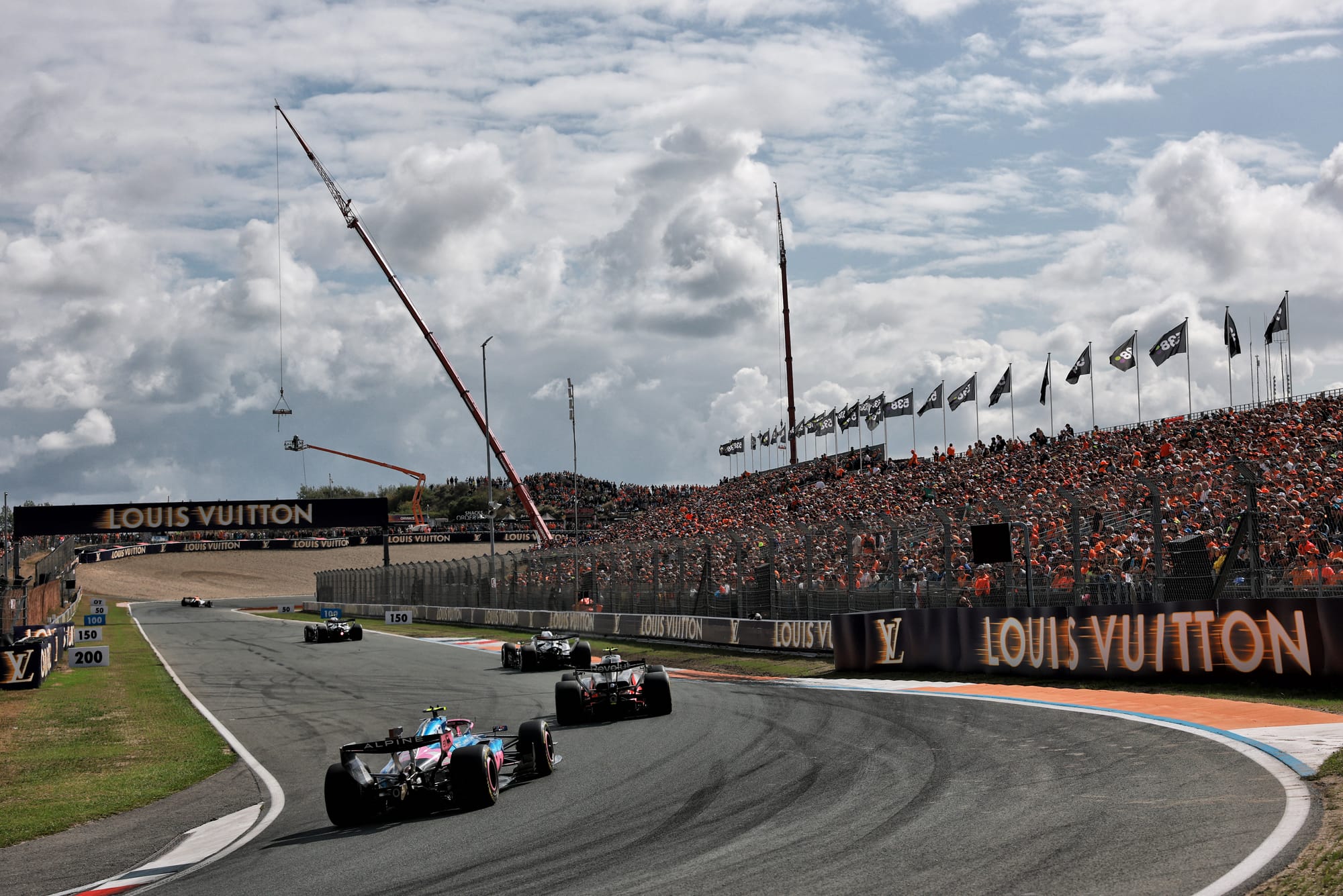 via the-race.comWill this big upgrade swing a key F1 fight? Gary Anderson's takeAlpine Racing has introduced a significant upgrade kit at the Zandvoort circuit, which they believe could enhance their performance by two to three tenths of a second. The upgrade was only fitted to Pierre Gasly's car, and during the weekend, he consistently outperformed his teammate Franco Colapinto in practice and qualifying sessions, although the gap closed as the weekend progressed. The changes included modifications to the sidepod and radiator intakes, aimed at optimizing airflow and improving the car's overall performance.
Despite these upgrades, Gary Anderson expressed doubts about Alpine's ability to surpass their competitors, particularly the Racing Bulls. He noted that many of the developments merely bring Alpine in line with what other teams have already implemented. Additionally, he emphasized the importance of budget cap management in the current season, suggesting that teams must balance development with financial constraints.the-race.comThu 27 Aug · 05:42 UTC
via the-race.comWill this big upgrade swing a key F1 fight? Gary Anderson's takeAlpine Racing has introduced a significant upgrade kit at the Zandvoort circuit, which they believe could enhance their performance by two to three tenths of a second. The upgrade was only fitted to Pierre Gasly's car, and during the weekend, he consistently outperformed his teammate Franco Colapinto in practice and qualifying sessions, although the gap closed as the weekend progressed. The changes included modifications to the sidepod and radiator intakes, aimed at optimizing airflow and improving the car's overall performance.
Despite these upgrades, Gary Anderson expressed doubts about Alpine's ability to surpass their competitors, particularly the Racing Bulls. He noted that many of the developments merely bring Alpine in line with what other teams have already implemented. Additionally, he emphasized the importance of budget cap management in the current season, suggesting that teams must balance development with financial constraints.the-race.comThu 27 Aug · 05:42 UTC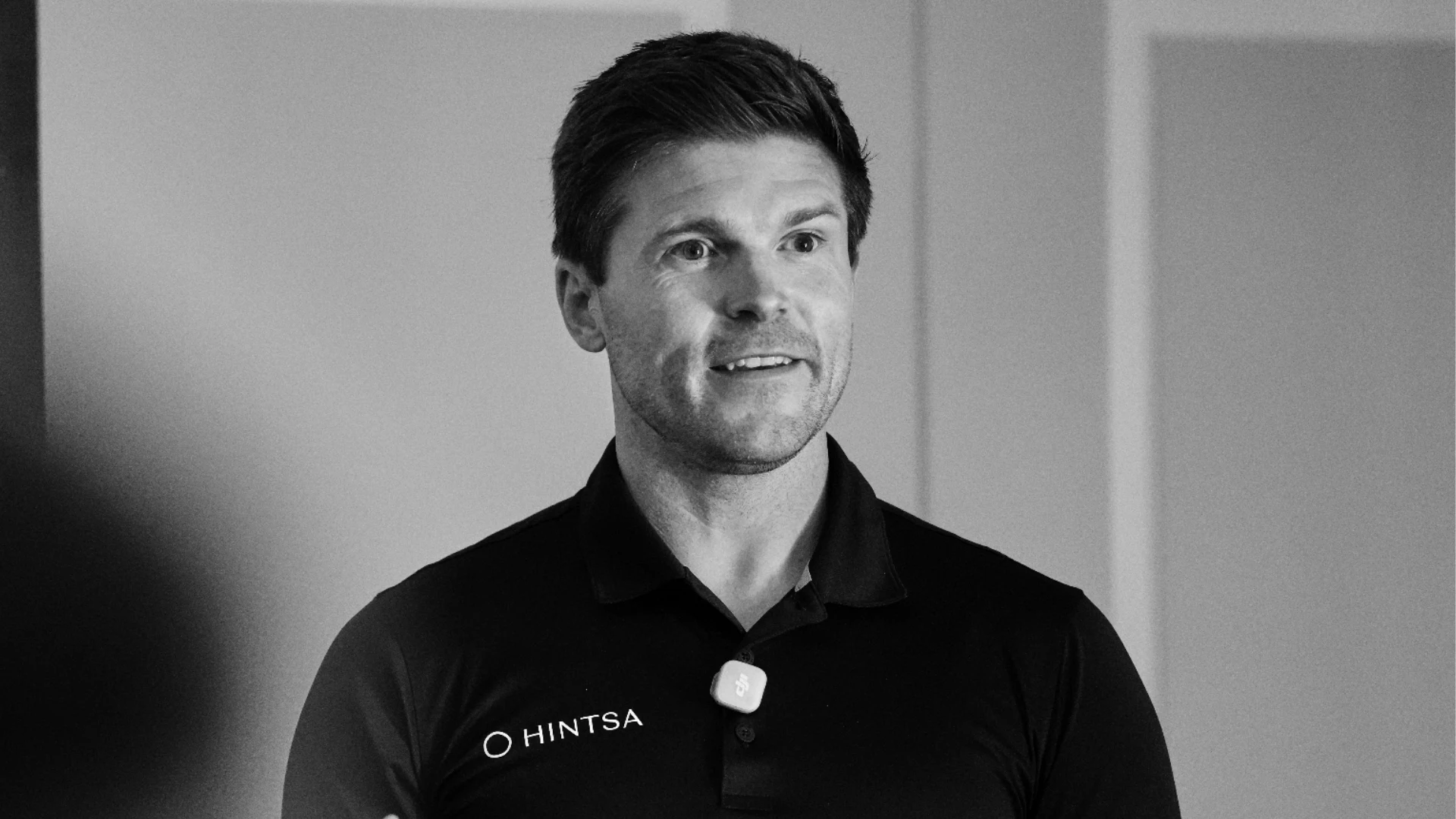 via Formula1.comExploring the Role of Psychologists in Formula 1 PerformancePsychologists play a crucial role in supporting Formula 1 drivers' mental well-being and performance. Robbie Anderson from Hintsa Performance discusses strategies for managing drivers through various challenges.
 Formula1.comSun 16 Aug · 07:12 UTC
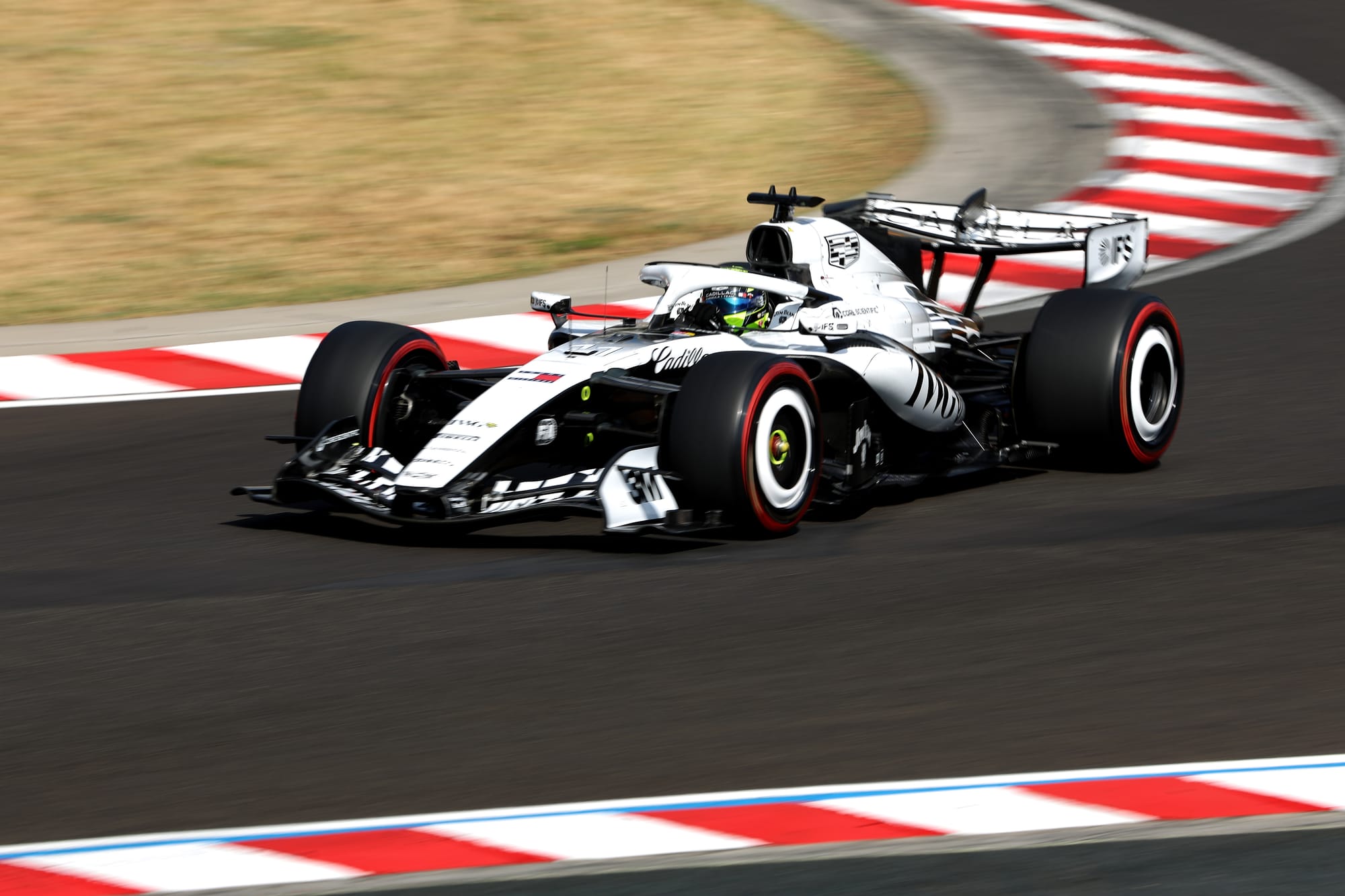 via the-race.comGary Anderson: Why I expected more from CadillacCadillac, the newest team in Formula 1, is facing significant challenges in its debut season, particularly with performance and brake cooling issues. The team has suffered multiple retirements due to front brake failures, prompting changes in design and strategy, including the size of brake inlets and overall cooling systems. Team principal Graeme Lowdon's departure adds to the difficulties faced by Cadillac as they strive to improve their competitiveness on the track.
The team has made various modifications to their car, including adjustments to the underfloor and sidepods to enhance airflow and cooling efficiency. Despite these efforts, the performance has largely remained at the back of the field, with only occasional successes against competitors like Aston Martin. Cadillac's ongoing development efforts reflect the steep learning curve for a new team in the highly competitive environment of Formula 1.the-race.comThu 13 Aug · 12:02 UTC
via the-race.comGary Anderson: Why I expected more from CadillacCadillac, the newest team in Formula 1, is facing significant challenges in its debut season, particularly with performance and brake cooling issues. The team has suffered multiple retirements due to front brake failures, prompting changes in design and strategy, including the size of brake inlets and overall cooling systems. Team principal Graeme Lowdon's departure adds to the difficulties faced by Cadillac as they strive to improve their competitiveness on the track.
The team has made various modifications to their car, including adjustments to the underfloor and sidepods to enhance airflow and cooling efficiency. Despite these efforts, the performance has largely remained at the back of the field, with only occasional successes against competitors like Aston Martin. Cadillac's ongoing development efforts reflect the steep learning curve for a new team in the highly competitive environment of Formula 1.the-race.comThu 13 Aug · 12:02 UTC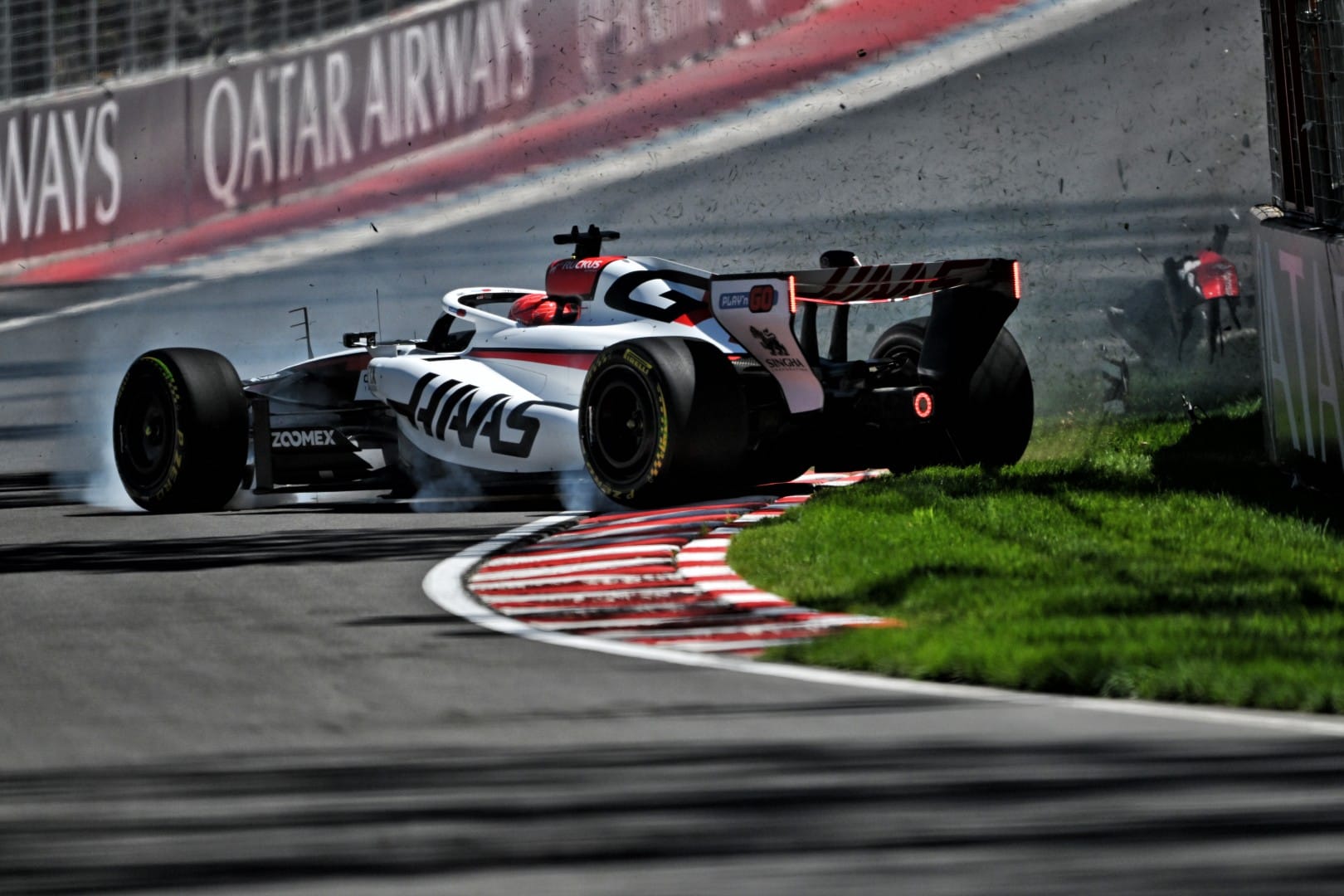 via the-race.comGary Anderson: Why F1 needs a traffic light systemGary Anderson has suggested implementing a traffic light system in Formula 1 to enhance safety and communication on the track. This system would utilize various colors to indicate the operational status of cars, helping drivers understand the conditions they are facing at high speeds. The proposed lights would signal power modes, battery levels, and the proximity of other cars, aiming to reduce confusion during critical moments.
Additionally, Anderson emphasizes the need for a standardized approach across all teams to ensure clarity and consistency in communication. He argues that while technological advancements are crucial, simple solutions like a traffic light system could significantly improve safety for drivers and marshals alike.the-race.comTue 11 Aug · 08:08 UTC
via the-race.comGary Anderson: Why F1 needs a traffic light systemGary Anderson has suggested implementing a traffic light system in Formula 1 to enhance safety and communication on the track. This system would utilize various colors to indicate the operational status of cars, helping drivers understand the conditions they are facing at high speeds. The proposed lights would signal power modes, battery levels, and the proximity of other cars, aiming to reduce confusion during critical moments.
Additionally, Anderson emphasizes the need for a standardized approach across all teams to ensure clarity and consistency in communication. He argues that while technological advancements are crucial, simple solutions like a traffic light system could significantly improve safety for drivers and marshals alike.the-race.comTue 11 Aug · 08:08 UTC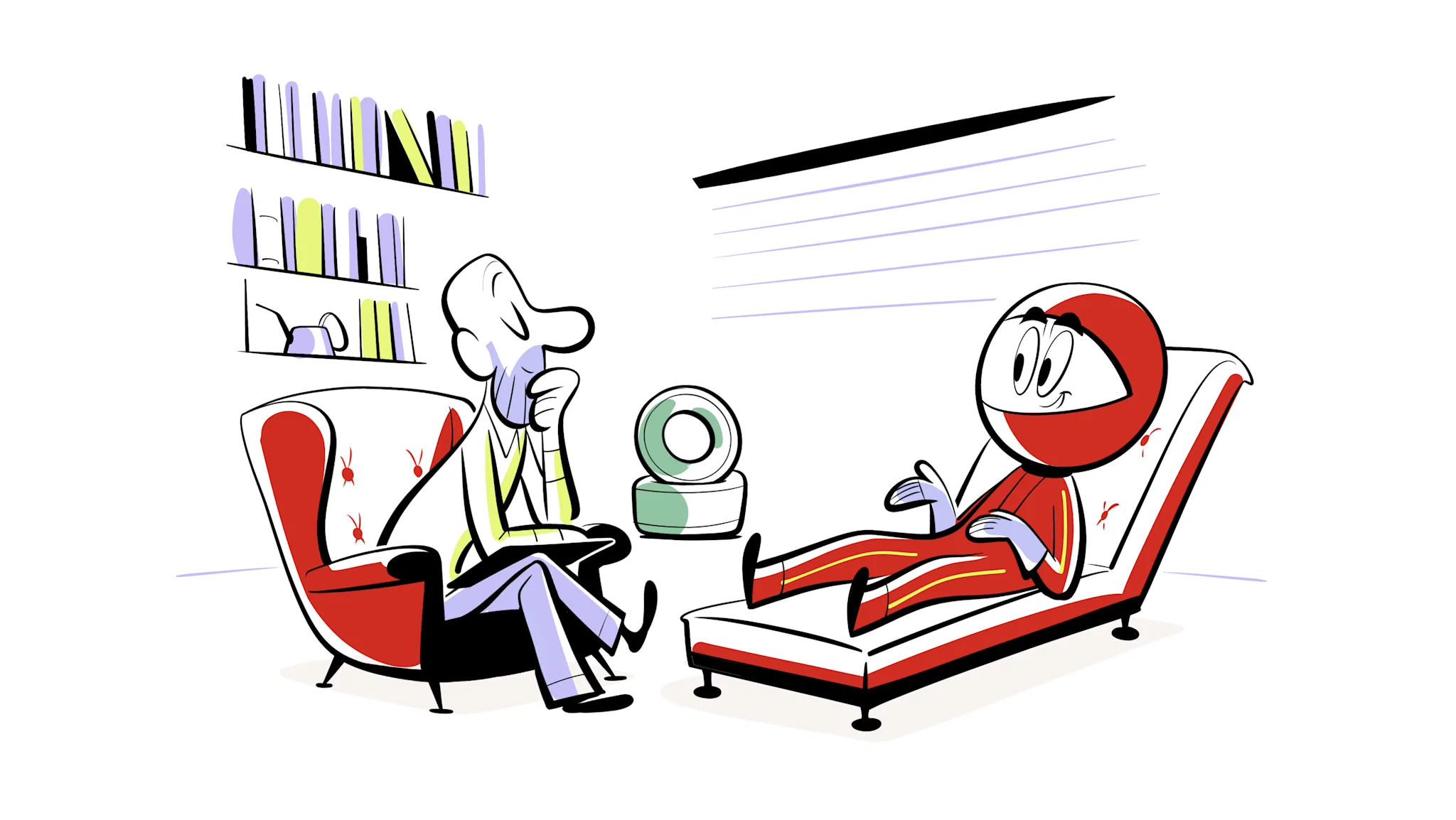 via Formula1.comInside the F1 driver's bubble: The sports psychologistThe article discusses the intricate support systems within Formula 1 teams, highlighting the importance of specialized personnel dedicated to maximizing driver performance. It emphasizes that these teams operate as smaller units within the larger organization, focusing on individual needs and challenges faced by drivers.
Robbie Anderson, a psychologist from Hintsa Performance, is featured as a key figure in this support structure. The piece sheds light on how sports psychologists contribute to the mental well-being and performance optimization of drivers, showcasing the behind-the-scenes efforts that play a crucial role in the competitive world of F1.Formula1.comMon 10 Aug · 11:41 UTC
via Formula1.comInside the F1 driver's bubble: The sports psychologistThe article discusses the intricate support systems within Formula 1 teams, highlighting the importance of specialized personnel dedicated to maximizing driver performance. It emphasizes that these teams operate as smaller units within the larger organization, focusing on individual needs and challenges faced by drivers.
Robbie Anderson, a psychologist from Hintsa Performance, is featured as a key figure in this support structure. The piece sheds light on how sports psychologists contribute to the mental well-being and performance optimization of drivers, showcasing the behind-the-scenes efforts that play a crucial role in the competitive world of F1.Formula1.comMon 10 Aug · 11:41 UTC


